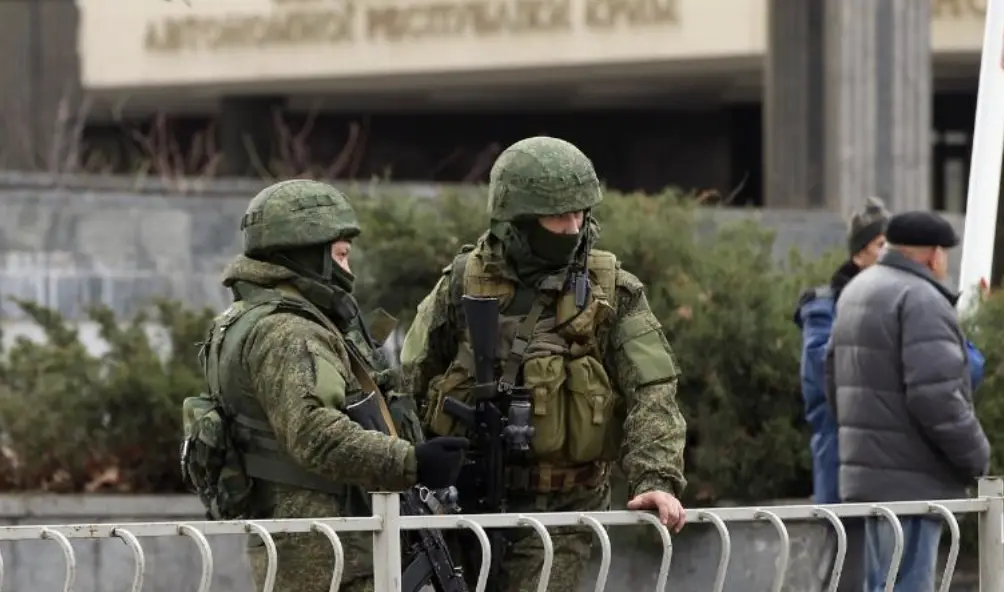
Russia/Ukraine: 10 years of occupation of Crimea Russia is seeking to effect demographic change while suppressing Ukrainian and Crimean Tatar identities
Source: Amnesty International
Since its occupation and illegal annexation of Crimea in 2014, Russia has attempted to change the ethnic makeup of Crimea while suppressing non-Russian identities on the peninsula, including through restricting education in Ukrainian and Crimean Tatar languages, attacking religious minorities, stifling media and culture, as well as undermining representative institutions and abusing the criminal justice system. The percentage of the Crimean population identifying as Ukrainian or Crimean Tatar has significantly decreased. Residents of Crimea are obliged to accept Russian passports or face the deprivation of their human rights, denial of access to essential services, and even the risk of deportation. Meanwhile, there is evidence that Russia has transferred its own population into Crimea in violation of international law.
Russia has targeted the youth of Crimea, suffusing school curricula with propaganda that justifies its war of aggression and undermines Crimean Tatars’ legacy as an Indigenous People. Meanwhile, the de facto authorities have all but eradicated tuition in the Ukrainian language.
As of 2024, following a long campaign of persecution at the hands of the de facto authorities, the Orthodox Church of Ukraine effectively no longer functions in Crimea, shuttering one of the last vestiges of Ukrainian identity on the peninsula. Other religious minorities, such as Muslims and Jehovah’s Witnesses, face discrimination and harassment, with the latter subject to criminal prosecution and imprisonment merely for practicing their faith.
The plurality and independence that characterized Crimea’s media landscape prior to 2014 is a thing of the past. The authorities have silenced any dissenting voices in print, on the airwaves, and online, including those in Crimean Tatar and Ukrainian, often replacing them with Russian-language media that toe the official line. Residents of Crimea are cut off from Ukrainian media, and the de facto authorities use draconian measures to intimidate and silence independent journalists.
Crimea has enjoyed a degree of autonomy as part of Ukraine, in recognition of its unique history and demographic makeup. Yet the banning of the Mejlis of the Crimean Tatar People, the Crimean Tatar representative body, in 2016 was emblematic of the oppression of the idea of collective representation and cultural autonomy that characterizes Russia’s occupation. The independence of the judiciary has been fundamentally compromised, as have the rights to freedom of speech, association, and assembly.
View the document ➚
Since its occupation and illegal annexation of Crimea in 2014, Russia has attempted to change the ethnic makeup of Crimea while suppressing non-Russian identities on the peninsula, including through restricting education in Ukrainian and Crimean Tatar languages, attacking religious minorities, stifling media and culture, as well as undermining representative institutions and abusing the criminal justice system. The percentage of the Crimean population identifying as Ukrainian or Crimean Tatar has significantly decreased. Residents of Crimea are obliged to accept Russian passports or face the deprivation of their human rights, denial of access to essential services, and even the risk of deportation. Meanwhile, there is evidence that Russia has transferred its own population into Crimea in violation of international law.
Russia has targeted the youth of Crimea, suffusing school curricula with propaganda that justifies its war of aggression and undermines Crimean Tatars’ legacy as an Indigenous People. Meanwhile, the de facto authorities have all but eradicated tuition in the Ukrainian language.
As of 2024, following a long campaign of persecution at the hands of the de facto authorities, the Orthodox Church of Ukraine effectively no longer functions in Crimea, shuttering one of the last vestiges of Ukrainian identity on the peninsula. Other religious minorities, such as Muslims and Jehovah’s Witnesses, face discrimination and harassment, with the latter subject to criminal prosecution and imprisonment merely for practicing their faith.
The plurality and independence that characterized Crimea’s media landscape prior to 2014 is a thing of the past. The authorities have silenced any dissenting voices in print, on the airwaves, and online, including those in Crimean Tatar and Ukrainian, often replacing them with Russian-language media that toe the official line. Residents of Crimea are cut off from Ukrainian media, and the de facto authorities use draconian measures to intimidate and silence independent journalists.
Crimea has enjoyed a degree of autonomy as part of Ukraine, in recognition of its unique history and demographic makeup. Yet the banning of the Mejlis of the Crimean Tatar People, the Crimean Tatar representative body, in 2016 was emblematic of the oppression of the idea of collective representation and cultural autonomy that characterizes Russia’s occupation. The independence of the judiciary has been fundamentally compromised, as have the rights to freedom of speech, association, and assembly.
View the document ➚