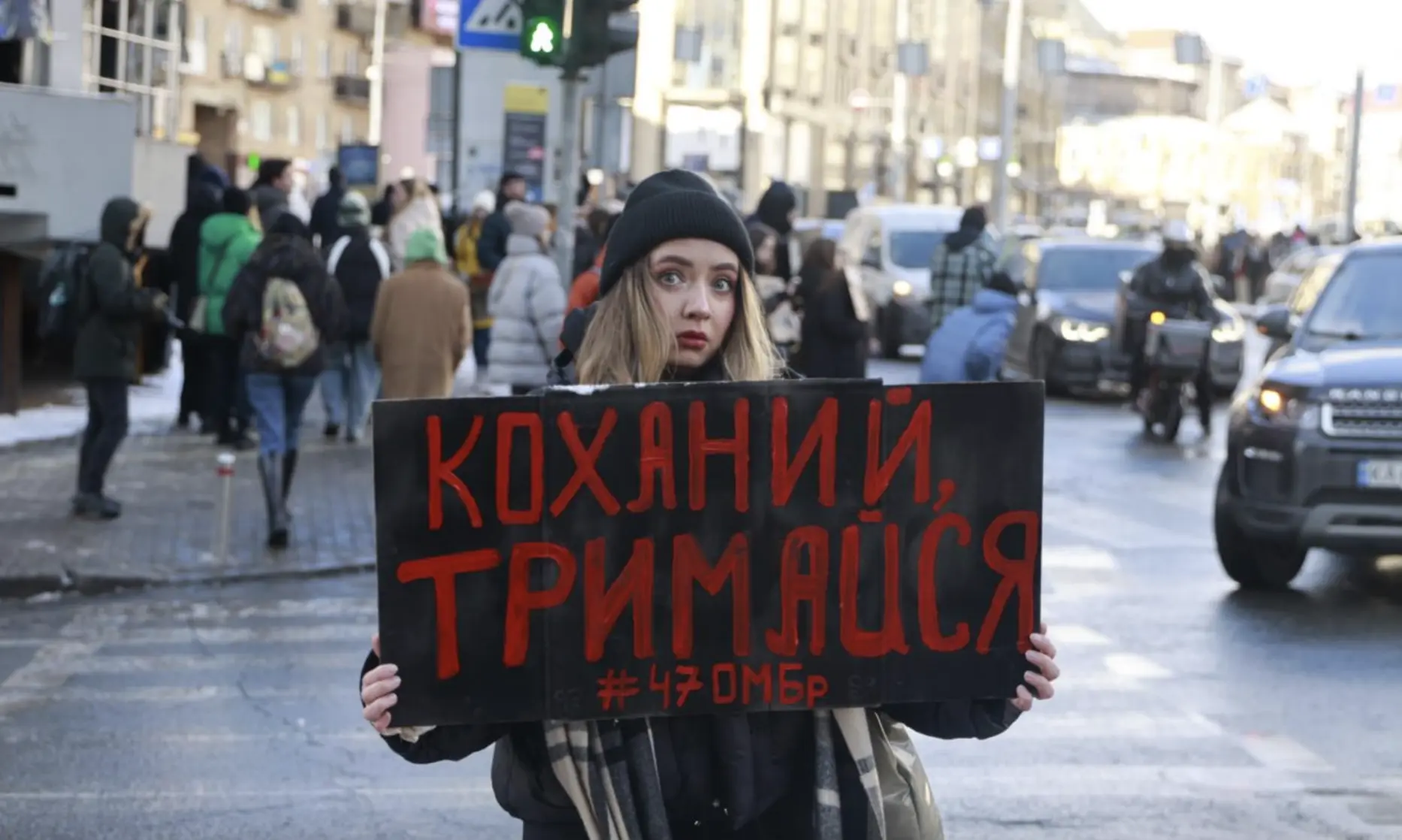
Deafening silence: enforced disappearances, incommunicado detention and torture of Ukrainian prisoners by Russia.
Source: Amnesty International
Russia’s treatment of Ukrainian military personnel and civilians held in captivity constitutes war crimes and crimes against humanity. Thousands of Ukrainian military personnel are currently being held captive in Russia and in the occupied territories of Ukraine as prisoners of war. These prisoners of war are often held for months or years without the relevant authorities being notified of their detention. They are denied the right to communicate with the outside world, and Russia does not allow international organizations to visit them. Such treatment constitutes incommunicado detention, which, given its duration, is considered inhuman treatment. This approach is aimed at removing prisoners of war from the protection of international law, facilitating torture and other forms of cruel treatment, including the denial of medical care they require, and in some cases, the unlawful killing of prisoners of war. These actions, committed in the context of Russia’s aggression against Ukraine, constitute war crimes.
The procedural guarantees contained in the Third Geneva Convention, such as the right to regular correspondence, granting access to places of detention for international organizations, and the direct repatriation of wounded and sick prisoners, are intended to prevent such treatment and mitigate its consequences. Russia systematically fails to comply with its obligations under the Geneva Conventions and must immediately fulfill these obligations.
Tens of thousands of Ukrainians, both military personnel and civilians, are considered by the Ukrainian authorities to be “missing under special circumstances.” Many of them are likely being held in custody, a fact not acknowledged by Russia. Others have likely been killed. Russia’s refusal to confirm that specific Ukrainians are in its custody—despite compelling evidence that they are there—amounts to enforced disappearance. In cases where such evidence is lacking, the relatives of the missing face an agonizing wait for information. Russia’s aggression makes it impossible to investigate cases regarding their fate, but Ukrainian authorities must ensure that the families of the missing are at the center of all investigations, which includes adequate consultation and communication at all stages of the process.
Civilians make up a significant portion of those considered missing. Russia has long employed tactics of arbitrary arrests, torture, and enforced disappearances to intimidate the civilian population in territories under its control. In the context of the attack on the civilian population of Ukraine, these actions constitute crimes against humanity.
View document ➚
Russia’s treatment of Ukrainian military personnel and civilians held in captivity constitutes war crimes and crimes against humanity. Thousands of Ukrainian military personnel are currently being held captive in Russia and in the occupied territories of Ukraine as prisoners of war. These prisoners of war are often held for months or years without the relevant authorities being notified of their detention. They are denied the right to communicate with the outside world, and Russia does not allow international organizations to visit them. Such treatment constitutes incommunicado detention, which, given its duration, is considered inhuman treatment. This approach is aimed at removing prisoners of war from the protection of international law, facilitating torture and other forms of cruel treatment, including the denial of medical care they require, and in some cases, the unlawful killing of prisoners of war. These actions, committed in the context of Russia’s aggression against Ukraine, constitute war crimes.
The procedural guarantees contained in the Third Geneva Convention, such as the right to regular correspondence, granting access to places of detention for international organizations, and the direct repatriation of wounded and sick prisoners, are intended to prevent such treatment and mitigate its consequences. Russia systematically fails to comply with its obligations under the Geneva Conventions and must immediately fulfill these obligations.
Tens of thousands of Ukrainians, both military personnel and civilians, are considered by the Ukrainian authorities to be “missing under special circumstances.” Many of them are likely being held in custody, a fact not acknowledged by Russia. Others have likely been killed. Russia’s refusal to confirm that specific Ukrainians are in its custody—despite compelling evidence that they are there—amounts to enforced disappearance. In cases where such evidence is lacking, the relatives of the missing face an agonizing wait for information. Russia’s aggression makes it impossible to investigate cases regarding their fate, but Ukrainian authorities must ensure that the families of the missing are at the center of all investigations, which includes adequate consultation and communication at all stages of the process.
Civilians make up a significant portion of those considered missing. Russia has long employed tactics of arbitrary arrests, torture, and enforced disappearances to intimidate the civilian population in territories under its control. In the context of the attack on the civilian population of Ukraine, these actions constitute crimes against humanity.
View document ➚
This is an automatic translation generated by DeepL.