About
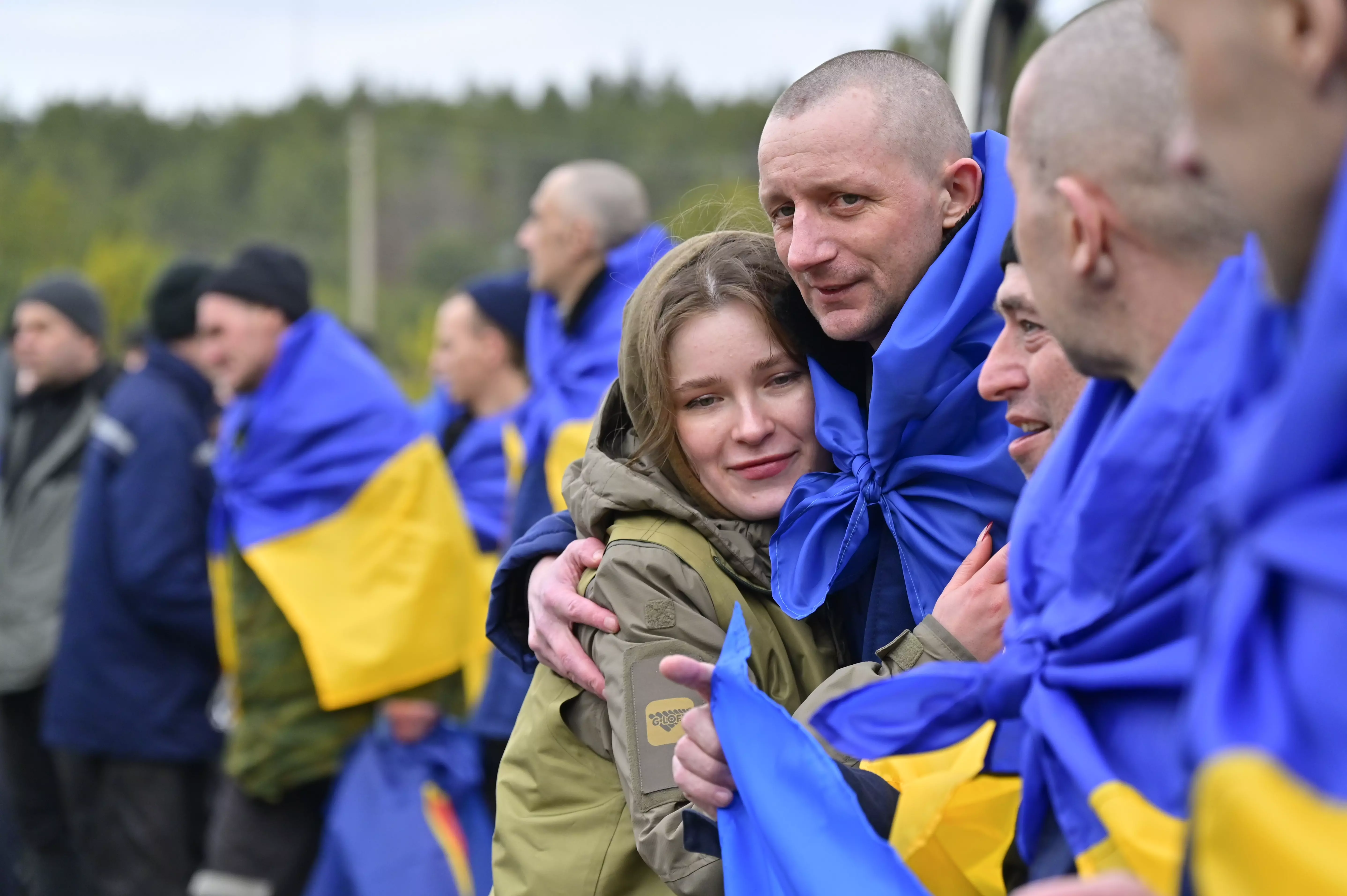
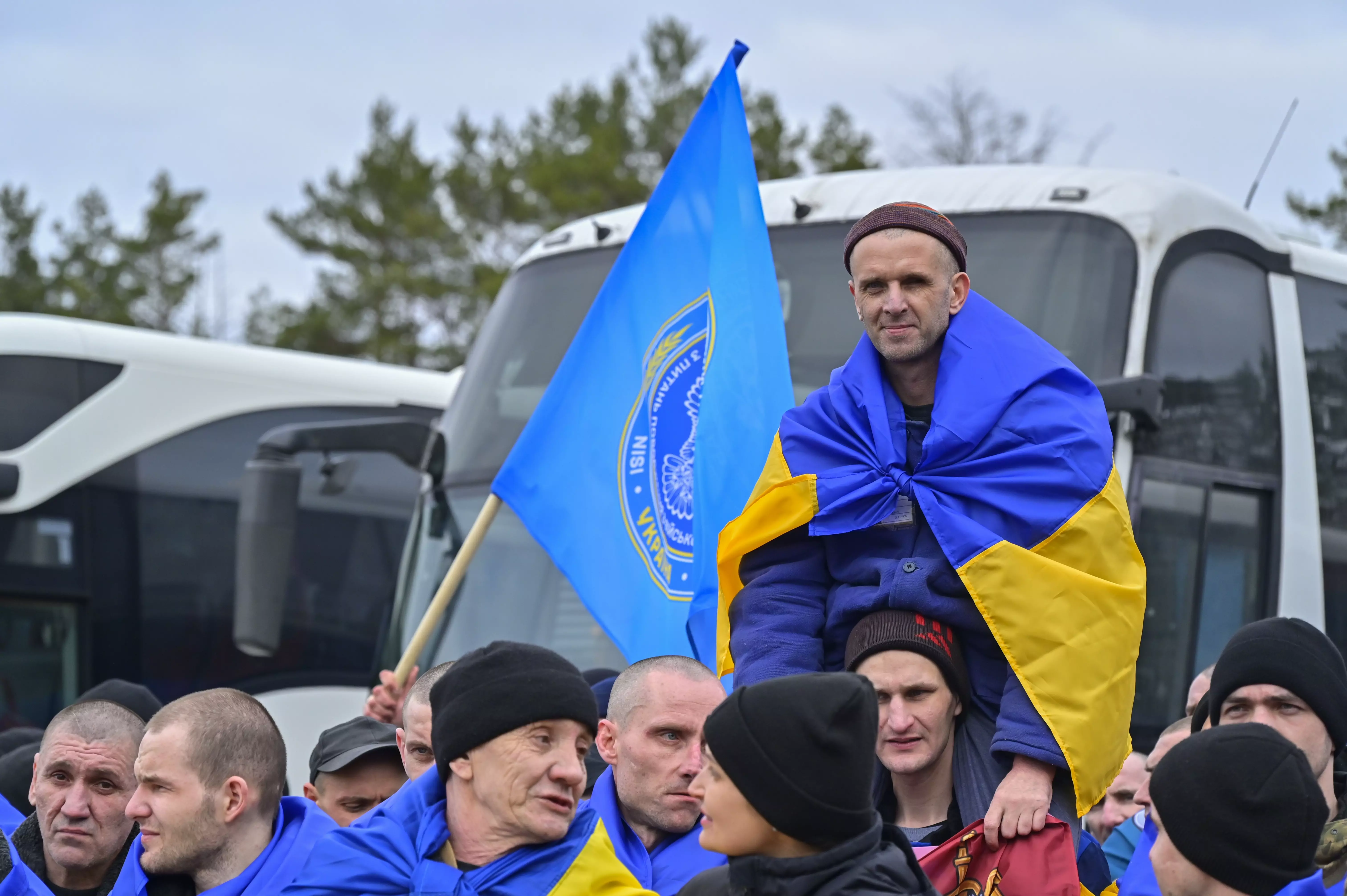
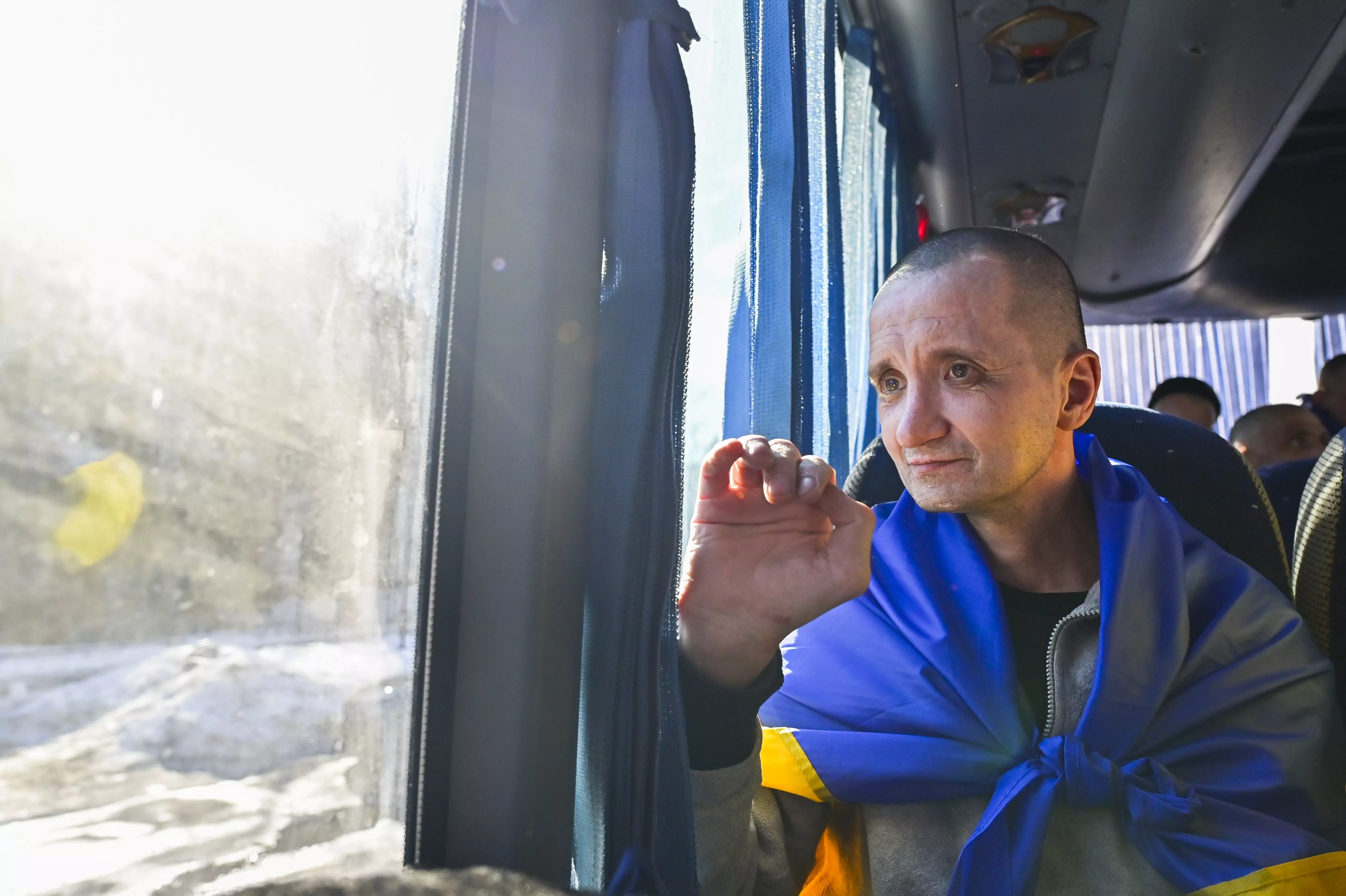
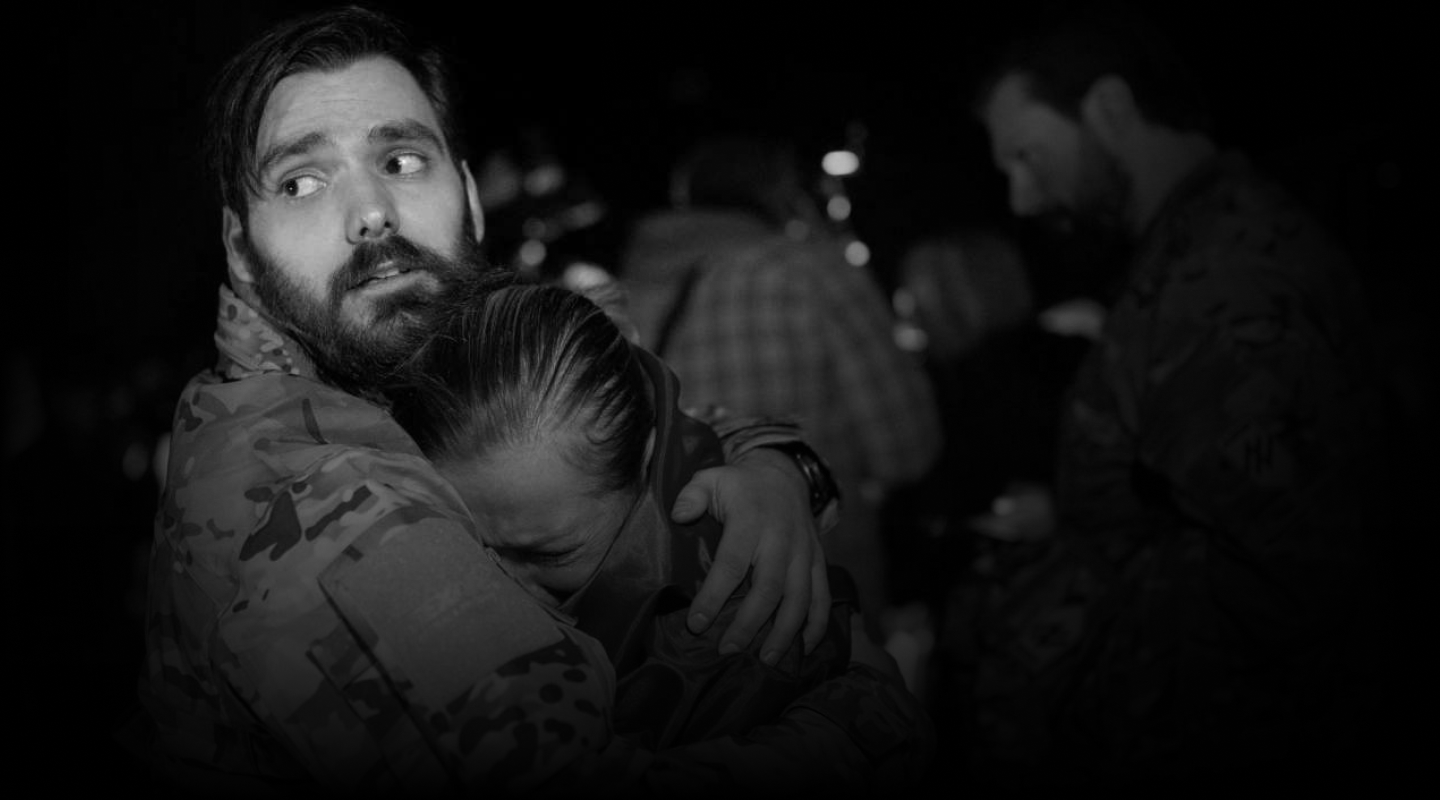
Since 2014, hundreds of Ukrainians—both men and women—have died in Russian camps, penal colonies, and prisons. Thousands remain in captivity; we cannot even state their exact number, as many people are held incommunicado by the aggressor state. As a result, many detainees are considered missing. To remember, to speak up, not to forget —this is the very least we can do for prisoners of war and civilian detainees.
Every day in Russian captivity means psychological, physical, and sexual violence, torture, starvation, inhumane detention conditions, denial of medical care, and isolation. It is a daily risk of not surviving until the next day.
No “appeasement”, no partnership, no business is possible with a country that systematically disregards human rights and the very concept of human dignity. International organizations, governments, and the entire international community must unite to apply sustained pressure on the Russian Federation.
Urgently needed:
Russia’s compliance with international law in its treatment of prisoners of war, including full and unhindered access for international organizations—particularly the ICRC—to all places of detention.
The immediate release of all civilians illegally held in Russian captivity.
Fair punishment for all those involved in war crimes committed by the Russian Federation—both direct perpetrators and government officials who sanction the cruel treatment of Ukrainian captives.
Only together we can free the prisoners!
The World must know about them
 POWs (prisoners of war)
 Civilian detainees
 Killed in Russian captivity
Hundreds of Ukrainian POWs are executed on the battlefield immediately after capture, or later die in captivity due to starvation and brutal treatment. Civilian detainees die from torture and the denial of medical care. The terrorist attack in Olenivka, which killed at least 53 defenders of Mariupol, and the death of journalist Viktoriia Roshchyna are among the most widely known—but sadly not isolated—cases.
 Missing persons
 Crimean prisoners
Crimea, occupied by Russia in 2014, became the first territory where Russia began repressing dissenters. Today, this includes Crimean Tatars, Ukrainian activists, independent journalists, and anyone who dares to express disagreement with the policies of the occupation authorities. Repression in Crimea continues to this day.
.png) Journalists and people of culture
Journalists and people of culture
The Russian occupation authorities suppress any independent reporting on events in the occupied territories or on Russia’s war of aggression against Ukraine. Those who dare to support and develop Ukrainian culture are labeled “enemies” of Russian ideology. As a result, journalists and cultural figures are subjected to pressure from Russia’s repressive machine.
.png) Detained women
Detained women
Russian occupiers persecute all dissenting and “suspected” individuals, including women. In addition to torture and cruel treatment, conflict-related sexual violence is a systematic practice against them.
.png) Kidnapped children
Kidnapped children
Thousands of Ukrainian children are taken to Russia by the occupation authorities, where they are indoctrinated, placed in new “families,” and enrolled in educational institutions. The aim of these actions is to destroy the children’s Ukrainian identity and turn them into “new Russians.”
Stories
View all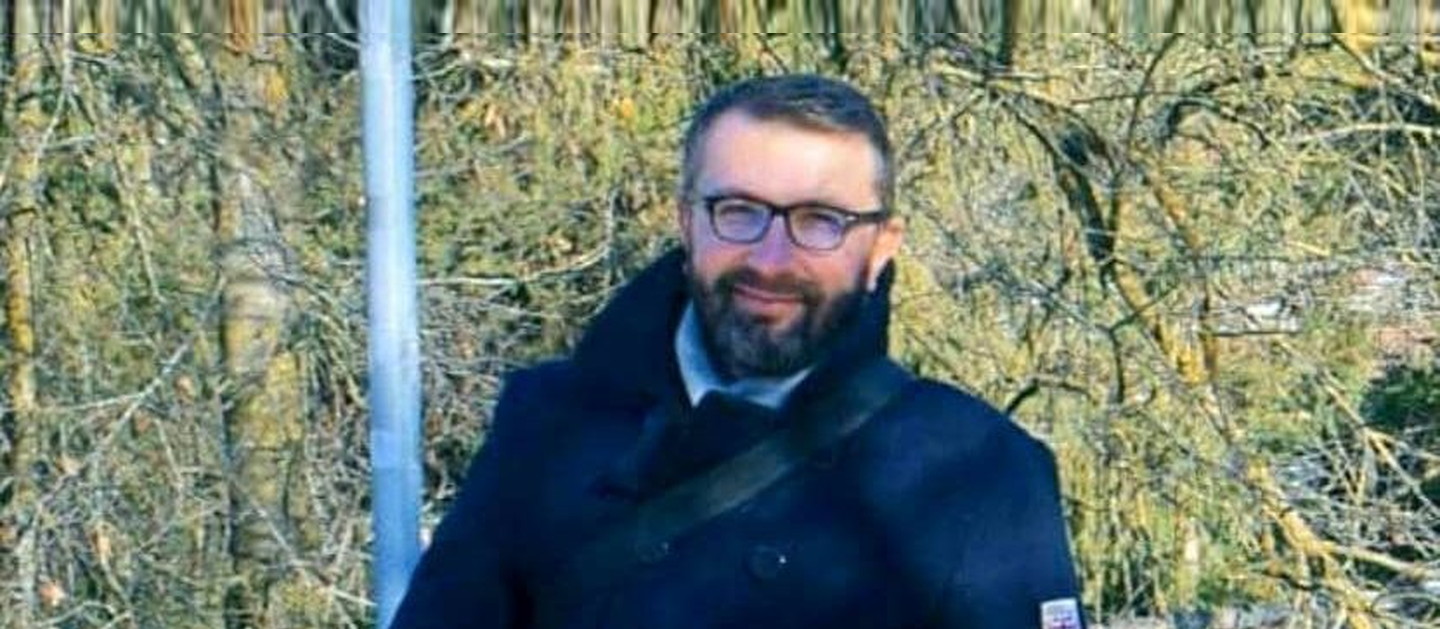
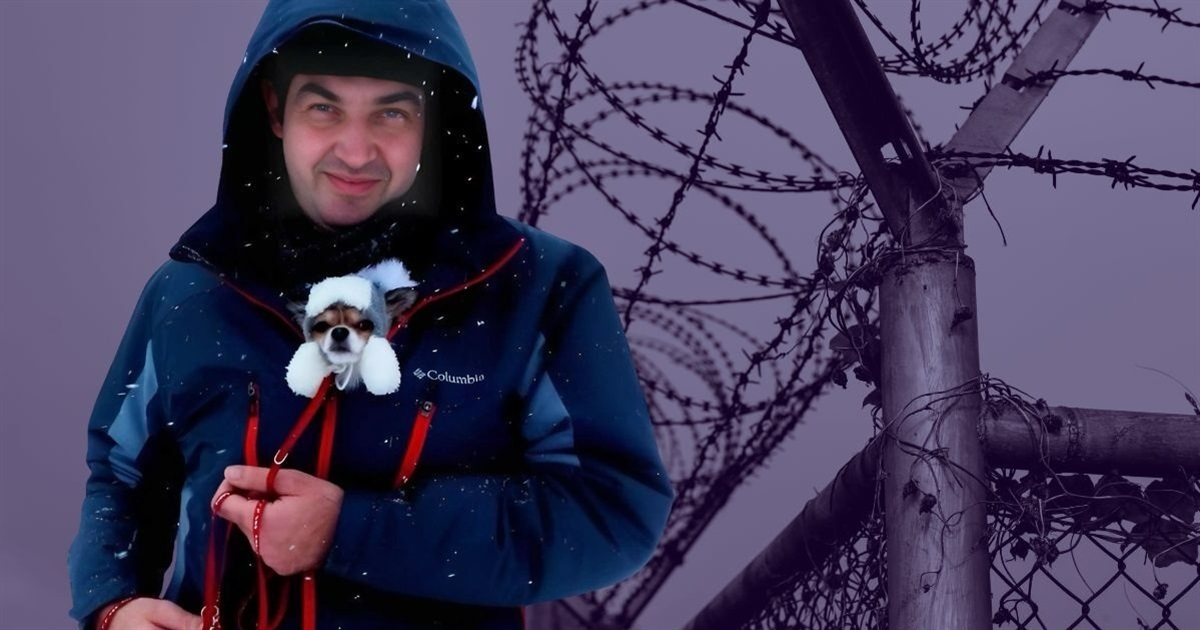
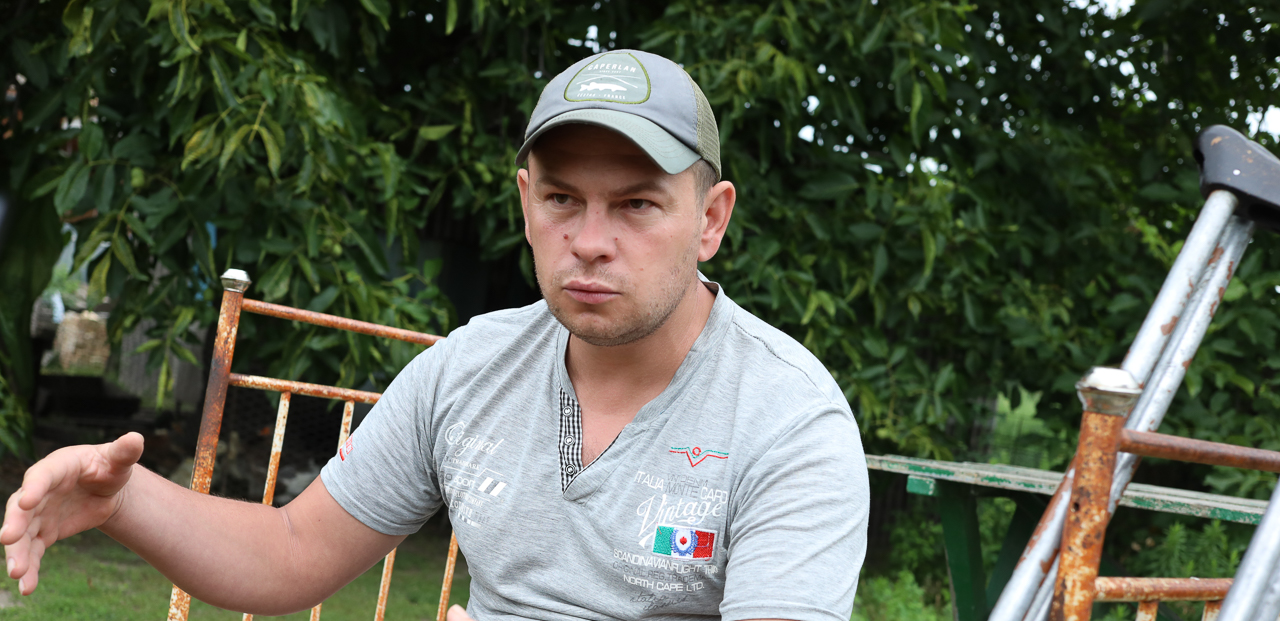
Analytics
View all
.webp)
The site editors do not translate author materials themselves. The pages you link to are automatically translated into your language by the DeepL translator for your convenience, so we apologize for any possible errors. In controversial cases, please refer to the original text.
The site was created by the "Principle of Hope" Charitable Foundation with the support of the "Askold and Dir" Foundation, administered by ISAR Ednannia within the project "Strong Civil Society of Ukraine - a driver of reforms and democracy" funded by Norway and Sweden. The content of the site is the responsibility of the "Principle of Hope" Charitable Foundation and does not reflect the views of the governments of Norway, Sweden or ISAR Ednannia.