Oleksandra was transported in an armored personnel carrier for seven days under constant shelling, against which there was no protection whatsoever
Source: MIPL
Oleksandr Kostyuk, 45, worked as a long-haul truck driver. He heard the news of Russia’s full-scale invasion while he was in Poland; he was supposed to return home on February 27.
“I suggested that Sasha stay abroad because the situation in the country was tense. But he didn’t listen to me; he said he was coming back,” says Marina, Oleksandr Kostyuk’s wife.
At the time, she was in Kyiv with their two children and decided to go to a “quiet place”—a village near Borodianka in the Kyiv region.
“There, we found ourselves in the epicenter of the fighting and the occupation. On February 27, Russian military vehicles entered the village, and heavy shelling began,” she says. “Oleksandr had already returned to Kyiv by then and promised to come pick us up. But I forbade him—it was too dangerous. I asked him to stay in Kyiv and promised that we would return on our own at the first opportunity.”
He was supposed to evacuate people, but disappeared
on the way
Oleksandr stayed in Kyiv. He signed up as a volunteer. He evacuated people from dangerous areas to Chernivtsi and other cities in the west of the country.
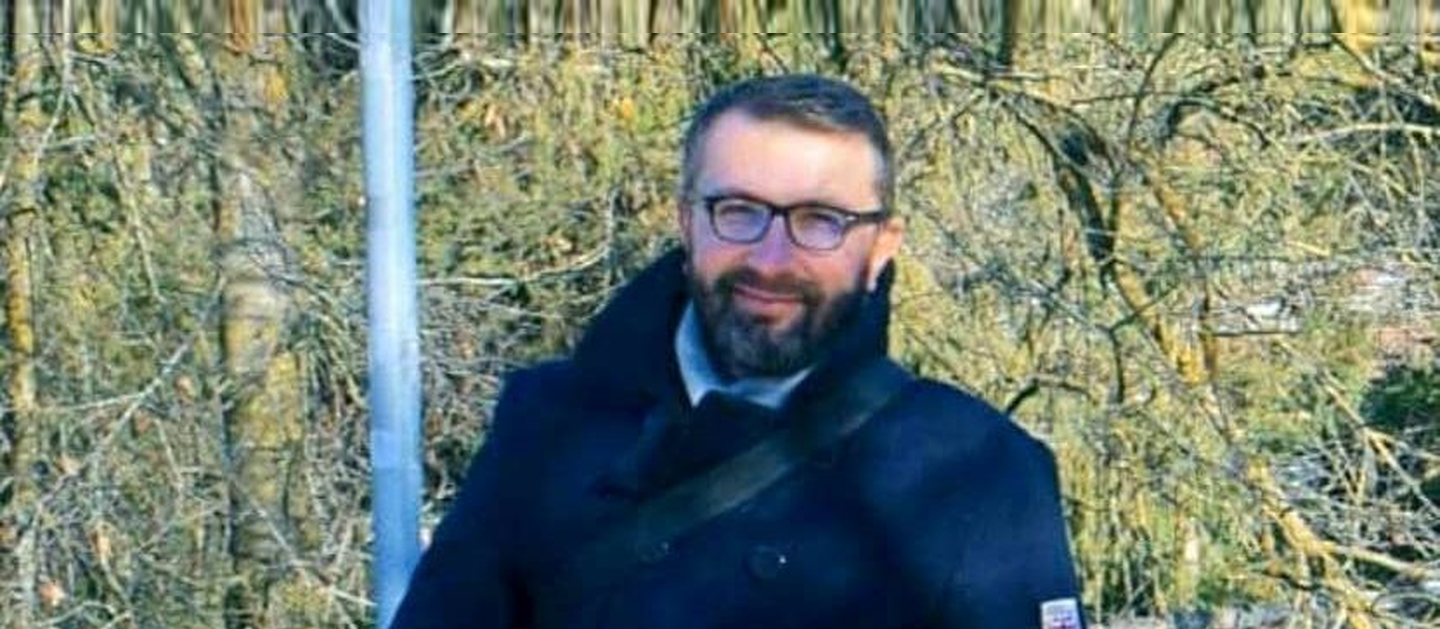
Oleksandr Kostyuk, photo provided by his wife
On March 5, Oleksandr Kostyuk traveled to the Sumy region—he was supposed to pick up people from a village where fighting had just begun. But he never reached his destination; contact with him was lost along the way.
“I was still near Borodianka with the kids; the signal was very poor—it was hard to get through to us, and sometimes we could only receive text messages. And then, on March 5, I read a message from relatives: ‘Where’s Sasha? We can’t get in touch with him.’ But I didn’t know anything either,” Marina recalls.
On March 9, she managed to leave Borodianka and made her way to Alexander’s relatives in the Kyiv region. By that time, they had tracked down the volunteers who had been working with Marina’s husband; they told them about that trip to the Sumy region.
“One girl said that Sasha had managed to call the people he was supposed to pick up. He told them to get ready because he was already on his way. But they never saw him,” says Kostyuk’s wife.
Later, Oleksandr’s car was found abandoned on a road between two villages in the Sumy region. His friends managed to find witnesses who had driven past the car.
“The car was parked on the shoulder with its hazard lights on. Sasha’s documents and personal belongings were still inside. Everything inside was turned upside down, as if someone had been searching for something. The car itself was intact and hadn’t been shot at. There were also many traces around the car, and we saw fingerprints on the hood that indicated Sasha had been searched,” says Kostyuk’s wife.
The people who found Oleksandr’s car say that Russian military vehicles were traveling along the same road that day. From that time until April 20, Marina had no information about her husband’s fate, until an unknown man called her. He said he had information about Oleksandr Kostyuk.
“The man introduced himself as Oleksandr. He said he was from the Sumy region. He had been detained by Russian military personnel and sent to Russian territory. There, at Pretrial Detention Center No. 2 in the city of Stary Oskol in the Belgorod region, he met my husband. They agreed among themselves that whoever was exchanged first would contact their families and tell them everything. This man was released on April 19. He said that Sasha is alive and doing well,” Marina continues.
They were transported in an armored personnel carrier for 7 days
The man who called Oleksandr Kostyuk’s wife turned out to be a resident of Trostyanets in the Sumy region. His name is Oleksandr Sytnik. Russian troops detained Sytnik on March 12 as he was walking down the street. He was later taken to the pretrial detention center in Stary Oskol. He had previously shared his recollections with the International Center for Human Rights and Political Freedom (MIPL).
“They threw us all into the cells together at first, but later separated the civilians from the military personnel,” says Oleksandr Sytnik. There were eight men in his cell. According to him, all of them were detained without cause or explanation: “One was driving and ran into a convoy; another was walking from the pharmacy to his wife’s house, and so on.”
The man who ran into the Russian convoy was Kostyuk.
“Sasha was driving down the road when a Russian convoy pulled out at a turn; he had nowhere to go. So they stopped him, told him to get out of the car, searched him, and then took him with them for further identity verification. My husband was put on an armored personnel carrier, and that’s how he rode in the cold, wearing only a light coat and under fire, for seven days,” Marina recounts, quoting Sytnik.
Later, Kostyuk was transported to the Russian Federation to a tent camp near the border with Ukraine. Ukrainian prisoners of war—both civilians and military personnel—were brought there and held in tents, with 20–25 people in each.
“Oleksandr said that while he was being transported in the armored personnel carrier, it was very cold. But he was more worried about the constant shelling, from which there was no protection at all,” other former prisoners who saw Oleksandr in the tent camp told the IHRC.
He was interrogated there. To intimidate him, they said they were taking him to be “executed,” fired shots over his head, and threatened to shoot him in the knees and cut off his fingers. On March 17, Oleksandr Kostyuk was transferred to Pretrial Detention Center No. 2 in Stary Oskol.
“One day I found the contact information for this detention center and decided to call to find out if there was any way I could talk to Sasha after all. But they rudely told me that they didn’t have any Ukrainian prisoners there. I didn’t call there again; I didn’t want to provoke them, and I was afraid my calls might harm my husband,” says Marina.
Oleksandr’s friends contacted the Red Cross and received confirmation over the phone that Oleksandr Kostyuk is indeed being held captive on the territory of the Russian Federation.
—
——
This material was prepared by the Media Initiative for Human Rights with the support of the Ukrainian Helsinki Human Rights Union.
Oleksandr Kostyuk, 45, worked as a long-haul truck driver. He heard the news of Russia’s full-scale invasion while he was in Poland; he was supposed to return home on February 27.
“I suggested that Sasha stay abroad because the situation in the country was tense. But he didn’t listen to me; he said he was coming back,” says Marina, Oleksandr Kostyuk’s wife.
At the time, she was in Kyiv with their two children and decided to go to a “quiet place”—a village near Borodianka in the Kyiv region.
“There, we found ourselves in the epicenter of the fighting and the occupation. On February 27, Russian military vehicles entered the village, and heavy shelling began,” she says. “Oleksandr had already returned to Kyiv by then and promised to come pick us up. But I forbade him—it was too dangerous. I asked him to stay in Kyiv and promised that we would return on our own at the first opportunity.”
He was supposed to evacuate people, but disappeared
on the way
Oleksandr stayed in Kyiv. He signed up as a volunteer. He evacuated people from dangerous areas to Chernivtsi and other cities in the west of the country.
Oleksandr Kostyuk, photo provided by his wife
On March 5, Oleksandr Kostyuk traveled to the Sumy region—he was supposed to pick up people from a village where fighting had just begun. But he never reached his destination; contact with him was lost along the way.
“I was still near Borodianka with the kids; the signal was very poor—it was hard to get through to us, and sometimes we could only receive text messages. And then, on March 5, I read a message from relatives: ‘Where’s Sasha? We can’t get in touch with him.’ But I didn’t know anything either,” Marina recalls.
On March 9, she managed to leave Borodianka and made her way to Alexander’s relatives in the Kyiv region. By that time, they had tracked down the volunteers who had been working with Marina’s husband; they told them about that trip to the Sumy region.
“One girl said that Sasha had managed to call the people he was supposed to pick up. He told them to get ready because he was already on his way. But they never saw him,” says Kostyuk’s wife.
Later, Oleksandr’s car was found abandoned on a road between two villages in the Sumy region. His friends managed to find witnesses who had driven past the car.
“The car was parked on the shoulder with its hazard lights on. Sasha’s documents and personal belongings were still inside. Everything inside was turned upside down, as if someone had been searching for something. The car itself was intact and hadn’t been shot at. There were also many traces around the car, and we saw fingerprints on the hood that indicated Sasha had been searched,” says Kostyuk’s wife.
The people who found Oleksandr’s car say that Russian military vehicles were traveling along the same road that day. From that time until April 20, Marina had no information about her husband’s fate, until an unknown man called her. He said he had information about Oleksandr Kostyuk.
“The man introduced himself as Oleksandr. He said he was from the Sumy region. He had been detained by Russian military personnel and sent to Russian territory. There, at Pretrial Detention Center No. 2 in the city of Stary Oskol in the Belgorod region, he met my husband. They agreed among themselves that whoever was exchanged first would contact their families and tell them everything. This man was released on April 19. He said that Sasha is alive and doing well,” Marina continues.
They were transported in an armored personnel carrier for 7 days
The man who called Oleksandr Kostyuk’s wife turned out to be a resident of Trostyanets in the Sumy region. His name is Oleksandr Sytnik. Russian troops detained Sytnik on March 12 as he was walking down the street. He was later taken to the pretrial detention center in Stary Oskol. He had previously shared his recollections with the International Center for Human Rights and Political Freedom (MIPL).
“They threw us all into the cells together at first, but later separated the civilians from the military personnel,” says Oleksandr Sytnik. There were eight men in his cell. According to him, all of them were detained without cause or explanation: “One was driving and ran into a convoy; another was walking from the pharmacy to his wife’s house, and so on.”
The man who ran into the Russian convoy was Kostyuk.
“Sasha was driving down the road when a Russian convoy pulled out at a turn; he had nowhere to go. So they stopped him, told him to get out of the car, searched him, and then took him with them for further identity verification. My husband was put on an armored personnel carrier, and that’s how he rode in the cold, wearing only a light coat and under fire, for seven days,” Marina recounts, quoting Sytnik.
Later, Kostyuk was transported to the Russian Federation to a tent camp near the border with Ukraine. Ukrainian prisoners of war—both civilians and military personnel—were brought there and held in tents, with 20–25 people in each.
“Oleksandr said that while he was being transported in the armored personnel carrier, it was very cold. But he was more worried about the constant shelling, from which there was no protection at all,” other former prisoners who saw Oleksandr in the tent camp told the IHRC.
He was interrogated there. To intimidate him, they said they were taking him to be “executed,” fired shots over his head, and threatened to shoot him in the knees and cut off his fingers. On March 17, Oleksandr Kostyuk was transferred to Pretrial Detention Center No. 2 in Stary Oskol.
“One day I found the contact information for this detention center and decided to call to find out if there was any way I could talk to Sasha after all. But they rudely told me that they didn’t have any Ukrainian prisoners there. I didn’t call there again; I didn’t want to provoke them, and I was afraid my calls might harm my husband,” says Marina.
Oleksandr’s friends contacted the Red Cross and received confirmation over the phone that Oleksandr Kostyuk is indeed being held captive on the territory of the Russian Federation.
—
——
This material was prepared by the Media Initiative for Human Rights with the support of the Ukrainian Helsinki Human Rights Union.
This is an automatic translation generated by DeepL.