"I heard the corpses being carried away": ATO veteran from Kherson tells how he survived in captivity of Russian occupiers
Source: Radio Free Europe/Radio Liberty
Author: Dmytro Sheremet
More than three weeks in captivity, daily interrogations and torture, with almost no sleep or food. Maksym Negrov, an activist and ATO veteran from Kherson, told Radio Free Europe’s “News of the Azov Region” project about what happened in the city at the start of the war, how he was captured by Russian occupiers, and what took place in the torture chambers they set up.
“It was a shock”
At the start of Russia’s full-scale invasion of Ukraine, Negrov was undergoing treatment in the cardiology ward. He says that at first, he simply couldn’t believe what was happening.
The occupiers hanged people on the Kakhovka Dam—I couldn’t believe it at
all – At 24 in the morning, I started receiving messages and calls from the southern part of the Kherson region. I couldn’t believe it, because Ukraine’s political leadership had said there would be no war, that we could stay calm and go about our business. For me personally, it was a shock... As, I suppose, it was for many.
And when I received a message on the 24th around 11:00 a.m. that they had hung their “aquafresh” (Russian flag – ed.) on the Kakhovka Dam, I couldn’t believe it at all.
Negrov said that after being discharged from the hospital, he immediately went to the military registration office.
The city was empty. Only the daredevils from the territorial defense remained
. “I didn’t wait for martial law to be declared; I knew what I had to do and where to go. The military registration office was in chaos; the personnel files (of those registered for military service—ed.) were already gone.
The situation in the building where the territorial defense was located was roughly the same as at the military registration office.
Few people knew what to do. There were no weapons. By the evening of February 24, there were no longer any SBU units, police units, or National Guard units in Kherson. The city was empty. Only the daredevils from the territorial defense remained.
“To Interrogation
with a Bag Over My Head”
Kherson was occupied on March 1. First and foremost, Russian troops began searching for former military personnel. On March 15, the occupiers detained Negrov as well. Here’s how it happened.
– On the 15th, I went to work... I decided to stop by my mom’s place: to bring her groceries, water, and medicine. As I was walking, I was already told that searches were underway there, the gate had been broken down, and the “Russians” (Russian military—ed.) were turning everything upside down.
My workplace told me that they had already arrived there as well. They were chasing me, and eventually, they caught me near work.
I realized they knew so much about me that even I didn’t know it myself
He noted that the occupiers knew “absolutely everything” about him.
“During the interrogations, I realized they knew so much about me that even I didn’t know about myself. They knew about my military service—where I served, the names of my comrades, where we were stationed, and what we did. Probably everything.”
After the ATO veteran’s arrest, Russian military personnel conducted a series of searches.
– From early morning until evening, there were searches of all the places where I might have been registered, where I used to live, where my relatives lived, where my child lived, and so on. They took everything that caught their eye and even things that didn’t. Some flashlights, a knife, things like that. It makes me smile that they took… I had my favorite cologne; there was half a bottle left—a small bottle—and they took that too.
Negrov said that they transported him to interrogations with a bag over his head.
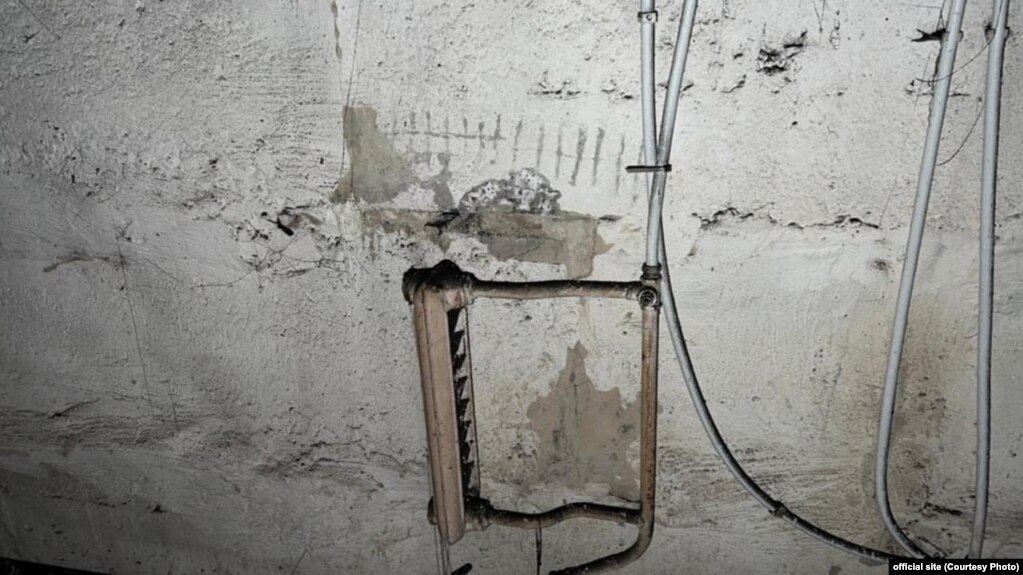
– New people kept coming in and asking questions. And then, at night, they brought me to a temporary detention center—a proper cell, not some basement or makeshift room. It’s a specialized facility.
Even while I was on the road, I heard a conversation mentioning the “power workers’ detention center.” I realized that was the ITT.
“Sunshine” from the occupiers
Until summer, my husband was held in a solitary cell, and later there were up to 20 detainees there at various times.
They interrogated him almost every day.
– The interrogations began in the morning. At first, they wanted passwords for everything. If you didn’t say them, they beat you. If you said something wrong, they beat you.
Since I already understood what might be in store for me—the city was preparing for occupation, and I had some experience with captivity—I had been trained, and I was already partially prepared, so there was no need to give any unnecessary information; I provided the passwords.
After a while, they come into the cell again, face to the window, a hood over my head, they tie me up and drag me somewhere. Interrogations, then back to the cell. The next day—interrogations, then back to the cell.
Among the occupiers’ “favorite pastimes,” Negrov mentions beating prisoners and electric shock torture.
The shock is so intense it could make your eyes pop out.
– Their favorite game is the so-called “sunshine”—wires attached to the ears or other parts of the body: the genitals, the chest—and then electricity is applied. The shock is so intense that your eyes might pop out. This happened right during the interrogations.
At night, they would always wake everyone up in the detention center and force them to sing the anthem or some Russian slogans.
“The main goal is to break a person”
According to him, mass detentions in Kherson began after the first instances of the occupiers being killed in the city. The main goal pursued by the Russian military during the arrests was to break a person, says Negrov.
You can only stay silent during interrogations in movies... otherwise, you might as well confess to the Kennedy assassination
– Detention is a form of filtration: that is, to break a person, to extract anything from them. You can only remain silent during interrogations in movies—fantasy ones. But in reality, you can confess to anything. And even in the assassination—excuse me—of Kennedy (the 35th U.S. President John F. Kennedy—ed.), you’ll sign and confess, and read on camera whatever they write on a piece of paper for you, and so on.
They completely exhaust a person: morally, physically, psychologically. Their goal is to break a person so that they completely lose the will to resist.
I was lucky there was a bathroom and water.
Food—a packet of some kind of porridge; the name was in Ukrainian. Sometimes they gave one packet a day, sometimes two packets
– It was a converted room; there was a bathroom and water. Food consisted of a packet of some kind of porridge; the name was in Ukrainian. Sometimes they gave one packet a day, sometimes two packets—each containing 300 grams of porridge—and the last time they gave one packet for two days. I counted calories...
I used to be interested in this topic. I understood that the brain would use up that energy, and if I didn’t move, breathed more or less calmly, and behaved myself, then somehow I could survive.
The light in the cell was also constantly on.
The scariest thing was that you could hear screams all the time—from those being tortured by the Russian occupiers. And all of this was right next to a regular residential building.
They’d take you back to the cell and interrogate you, while torturing someone else
– No one can calmly endure torture; there were constant screams. And you realize that they’re working on you right now, and then they take you back to the cell and interrogate you, while torturing another person.
And I saw through the window that people live in that nine-story building, and they hear everything. They were killing people there too... I heard them carrying out bodies, torturing and raping people.
Drunk Russian National Guard soldiers were just having fun beating people.
Negrov reported that the occupiers held Kherson prisoners in several buildings. In the premises of the so-called Maritime Academy, in the basement of the Ministry of Internal Affairs and the temporary detention center, and some were also transferred to the pretrial detention center.
“Thrown out of town”
Negrov said that the Russians released him from captivity when they could not establish his involvement in the resistance movement.
He held his pants up with one hand—he had lost 15 kilograms—and his hat with the
other – They decided to wait for someone from the command to come for me. The game was clear; nothing new was happening here. One day, facing the window, a bag over my head, I realized they weren’t dragging me up the hill for some interrogation, but down. My thoughts were all over the place: “Where are they taking me?” “What’s going to happen?”
Then the door opened, they threw me out and said: “Count to 30, then take off your hat.”
I counted, took off my hat, and saw that I was on the outskirts of the city. I held my pants with one hand—I’d lost 15 kilograms—and the hat with the other. I put it on and realized I had to head into town.
Negrov says that some of his friends are still being held captive by the occupiers.
“As far as I understand, they’re currently somewhere in Crimea. Some have been released. I’ve spoken with them; we exchanged information about their conditions of detention and the interrogations.” With every passing month, it got scarier and scarier. With every strike by the Ukrainian Armed Forces on the occupiers’ gathering points in Kherson, they (the occupiers—ed.) became more brutal.
Negrov explained what helped him endure captivity.
“I imagined what would happen, for example, in five years… There was no doubt that we would win this war, that Kherson would be liberated.
I imagined walking through the city with my daughter and grandchildren, and we would reminisce about these events.
Author: Dmytro Sheremet
More than three weeks in captivity, daily interrogations and torture, with almost no sleep or food. Maksym Negrov, an activist and ATO veteran from Kherson, told Radio Free Europe’s “News of the Azov Region” project about what happened in the city at the start of the war, how he was captured by Russian occupiers, and what took place in the torture chambers they set up.
“It was a shock”
At the start of Russia’s full-scale invasion of Ukraine, Negrov was undergoing treatment in the cardiology ward. He says that at first, he simply couldn’t believe what was happening.
The occupiers hanged people on the Kakhovka Dam—I couldn’t believe it at
all – At 24 in the morning, I started receiving messages and calls from the southern part of the Kherson region. I couldn’t believe it, because Ukraine’s political leadership had said there would be no war, that we could stay calm and go about our business. For me personally, it was a shock... As, I suppose, it was for many.
And when I received a message on the 24th around 11:00 a.m. that they had hung their “aquafresh” (Russian flag – ed.) on the Kakhovka Dam, I couldn’t believe it at all.
Negrov said that after being discharged from the hospital, he immediately went to the military registration office.
The city was empty. Only the daredevils from the territorial defense remained
. “I didn’t wait for martial law to be declared; I knew what I had to do and where to go. The military registration office was in chaos; the personnel files (of those registered for military service—ed.) were already gone.
The situation in the building where the territorial defense was located was roughly the same as at the military registration office.
Few people knew what to do. There were no weapons. By the evening of February 24, there were no longer any SBU units, police units, or National Guard units in Kherson. The city was empty. Only the daredevils from the territorial defense remained.
“To Interrogation
with a Bag Over My Head”
Kherson was occupied on March 1. First and foremost, Russian troops began searching for former military personnel. On March 15, the occupiers detained Negrov as well. Here’s how it happened.
– On the 15th, I went to work... I decided to stop by my mom’s place: to bring her groceries, water, and medicine. As I was walking, I was already told that searches were underway there, the gate had been broken down, and the “Russians” (Russian military—ed.) were turning everything upside down.
My workplace told me that they had already arrived there as well. They were chasing me, and eventually, they caught me near work.
I realized they knew so much about me that even I didn’t know it myself
He noted that the occupiers knew “absolutely everything” about him.
“During the interrogations, I realized they knew so much about me that even I didn’t know about myself. They knew about my military service—where I served, the names of my comrades, where we were stationed, and what we did. Probably everything.”
After the ATO veteran’s arrest, Russian military personnel conducted a series of searches.
– From early morning until evening, there were searches of all the places where I might have been registered, where I used to live, where my relatives lived, where my child lived, and so on. They took everything that caught their eye and even things that didn’t. Some flashlights, a knife, things like that. It makes me smile that they took… I had my favorite cologne; there was half a bottle left—a small bottle—and they took that too.
Negrov said that they transported him to interrogations with a bag over his head.
– New people kept coming in and asking questions. And then, at night, they brought me to a temporary detention center—a proper cell, not some basement or makeshift room. It’s a specialized facility.
Even while I was on the road, I heard a conversation mentioning the “power workers’ detention center.” I realized that was the ITT.
“Sunshine” from the occupiers
Until summer, my husband was held in a solitary cell, and later there were up to 20 detainees there at various times.
They interrogated him almost every day.
– The interrogations began in the morning. At first, they wanted passwords for everything. If you didn’t say them, they beat you. If you said something wrong, they beat you.
Since I already understood what might be in store for me—the city was preparing for occupation, and I had some experience with captivity—I had been trained, and I was already partially prepared, so there was no need to give any unnecessary information; I provided the passwords.
After a while, they come into the cell again, face to the window, a hood over my head, they tie me up and drag me somewhere. Interrogations, then back to the cell. The next day—interrogations, then back to the cell.
Among the occupiers’ “favorite pastimes,” Negrov mentions beating prisoners and electric shock torture.
The shock is so intense it could make your eyes pop out.
– Their favorite game is the so-called “sunshine”—wires attached to the ears or other parts of the body: the genitals, the chest—and then electricity is applied. The shock is so intense that your eyes might pop out. This happened right during the interrogations.
At night, they would always wake everyone up in the detention center and force them to sing the anthem or some Russian slogans.
“The main goal is to break a person”
According to him, mass detentions in Kherson began after the first instances of the occupiers being killed in the city. The main goal pursued by the Russian military during the arrests was to break a person, says Negrov.
You can only stay silent during interrogations in movies... otherwise, you might as well confess to the Kennedy assassination
– Detention is a form of filtration: that is, to break a person, to extract anything from them. You can only remain silent during interrogations in movies—fantasy ones. But in reality, you can confess to anything. And even in the assassination—excuse me—of Kennedy (the 35th U.S. President John F. Kennedy—ed.), you’ll sign and confess, and read on camera whatever they write on a piece of paper for you, and so on.
They completely exhaust a person: morally, physically, psychologically. Their goal is to break a person so that they completely lose the will to resist.
I was lucky there was a bathroom and water.
Food—a packet of some kind of porridge; the name was in Ukrainian. Sometimes they gave one packet a day, sometimes two packets
– It was a converted room; there was a bathroom and water. Food consisted of a packet of some kind of porridge; the name was in Ukrainian. Sometimes they gave one packet a day, sometimes two packets—each containing 300 grams of porridge—and the last time they gave one packet for two days. I counted calories...
I used to be interested in this topic. I understood that the brain would use up that energy, and if I didn’t move, breathed more or less calmly, and behaved myself, then somehow I could survive.
The light in the cell was also constantly on.
The scariest thing was that you could hear screams all the time—from those being tortured by the Russian occupiers. And all of this was right next to a regular residential building.
They’d take you back to the cell and interrogate you, while torturing someone else
– No one can calmly endure torture; there were constant screams. And you realize that they’re working on you right now, and then they take you back to the cell and interrogate you, while torturing another person.
And I saw through the window that people live in that nine-story building, and they hear everything. They were killing people there too... I heard them carrying out bodies, torturing and raping people.
Drunk Russian National Guard soldiers were just having fun beating people.
Negrov reported that the occupiers held Kherson prisoners in several buildings. In the premises of the so-called Maritime Academy, in the basement of the Ministry of Internal Affairs and the temporary detention center, and some were also transferred to the pretrial detention center.
“Thrown out of town”
Negrov said that the Russians released him from captivity when they could not establish his involvement in the resistance movement.
He held his pants up with one hand—he had lost 15 kilograms—and his hat with the
other – They decided to wait for someone from the command to come for me. The game was clear; nothing new was happening here. One day, facing the window, a bag over my head, I realized they weren’t dragging me up the hill for some interrogation, but down. My thoughts were all over the place: “Where are they taking me?” “What’s going to happen?”
Then the door opened, they threw me out and said: “Count to 30, then take off your hat.”
I counted, took off my hat, and saw that I was on the outskirts of the city. I held my pants with one hand—I’d lost 15 kilograms—and the hat with the other. I put it on and realized I had to head into town.
Negrov says that some of his friends are still being held captive by the occupiers.
“As far as I understand, they’re currently somewhere in Crimea. Some have been released. I’ve spoken with them; we exchanged information about their conditions of detention and the interrogations.” With every passing month, it got scarier and scarier. With every strike by the Ukrainian Armed Forces on the occupiers’ gathering points in Kherson, they (the occupiers—ed.) became more brutal.
Negrov explained what helped him endure captivity.
“I imagined what would happen, for example, in five years… There was no doubt that we would win this war, that Kherson would be liberated.
I imagined walking through the city with my daughter and grandchildren, and we would reminisce about these events.
This is an automatic translation generated by DeepL.
For English subtitles, please enable captions in the video settings and select Auto-translate → English.