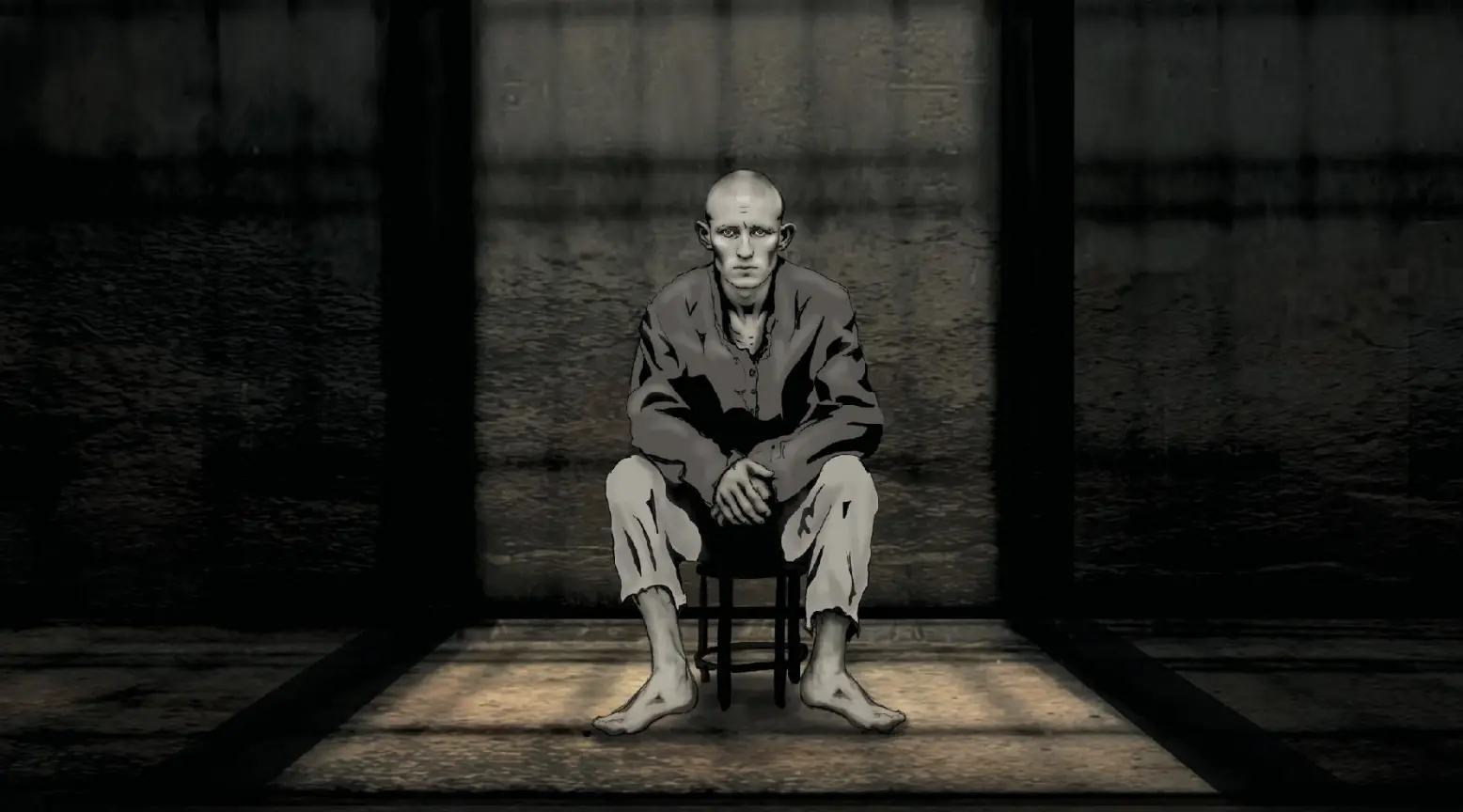
Treatment of civilians deprived of their liberty in the context of the armed attack of the Russian Federation on Ukraine
Source: OHCHR
1. Mass detention, affecting both civilians and military personnel, remains a harsh reality amid the Russian Federation’s ongoing armed attack on Ukraine. Building on previous OHCHR findings, this report describes the treatment of civilians deprived of their liberty in connection with the armed conflict since 2022.
2. The Russian Federation and Ukraine have detained various groups of civilians for different reasons and for varying periods of time. Despite these differences, international humanitarian law (IHL) and international human rights law (IHRL) establish common minimum standards for the fair and humane treatment of detainees. Civilians may be deprived of their liberty only on grounds expressly provided for by international law, and they must be released immediately as soon as the legal grounds for their detention cease to exist.
3. The Russian Federation has detained Ukrainian citizens in the occupied territory, where it bears the responsibilities of an occupying power under IHL, supplemented by the norms of IHRL, which apply concurrently. This report establishes that the Russian Federation subjected detained Ukrainian civilians to serious violations of IHL and ICCPR. In particular:
i. The Russian Federation applies its criminal legislation in the occupied territory of Ukraine, disregarding the obligation under IHL to maintain existing local laws, except where this is absolutely impossible. At the same time, the procedure for the internment of civilians provided for under IHL was not established.
ii. Torture and other forms of cruel, inhuman, or degrading treatment or punishment, including sexual violence, have been widely and systematically applied to civilians in places of detention.
iii. Frequent violations of applicable legal conditions and procedural safeguards governing deprivation of liberty led to arbitrary detentions and, in a significant number of cases, resulted in enforced disappearances.
iv. The combination of these actions, coupled with the lack of adequate accountability, deprived many Ukrainian civilians of effective legal protection during their detention.
v. A significant number of Ukrainian civilians remain arbitrarily detained by Russian authorities in the occupied territory of Ukraine and within the territory of the Russian Federation for reasons and due to actions related to the armed conflict, often in appalling conditions and without access to necessary assistance.
4. In the territory under its control, Ukraine has largely detained its own citizens on charges related to national security, in accordance with domestic criminal law, where it is obligated to comply with the ICCPR. Since the start of the Russian Federation’s full-scale armed attack, the increase in the number of persons detained in connection with the conflict has placed an additional burden on Ukraine’s criminal justice system. Although the authorities have taken steps to uphold procedural safeguards and improve detention conditions, concerns remain. OHCHR continued to document cases of torture and ill-treatment by Ukrainian authorities against persons detained in connection with the conflict, while accountability for such acts remained limited.
5. Ukraine’s accession process to the European Union presents an opportunity to comprehensively assess the risks of torture and ill-treatment in the prison system and to strengthen safeguards and accountability in accordance with a human rights-based approach. The Government of Ukraine must also ensure respect for the rights of all persons who are being transferred to the Russian Federation as part of diplomatic efforts to secure the release of Ukrainian citizens from Russian detention facilities, in particular by guaranteeing their free and informed consent, as well as adherence to the principle of non-refoulement.
View document ➚
1. Mass detention, affecting both civilians and military personnel, remains a harsh reality amid the Russian Federation’s ongoing armed attack on Ukraine. Building on previous OHCHR findings, this report describes the treatment of civilians deprived of their liberty in connection with the armed conflict since 2022.
2. The Russian Federation and Ukraine have detained various groups of civilians for different reasons and for varying periods of time. Despite these differences, international humanitarian law (IHL) and international human rights law (IHRL) establish common minimum standards for the fair and humane treatment of detainees. Civilians may be deprived of their liberty only on grounds expressly provided for by international law, and they must be released immediately as soon as the legal grounds for their detention cease to exist.
3. The Russian Federation has detained Ukrainian citizens in the occupied territory, where it bears the responsibilities of an occupying power under IHL, supplemented by the norms of IHRL, which apply concurrently. This report establishes that the Russian Federation subjected detained Ukrainian civilians to serious violations of IHL and ICCPR. In particular:
i. The Russian Federation applies its criminal legislation in the occupied territory of Ukraine, disregarding the obligation under IHL to maintain existing local laws, except where this is absolutely impossible. At the same time, the procedure for the internment of civilians provided for under IHL was not established.
ii. Torture and other forms of cruel, inhuman, or degrading treatment or punishment, including sexual violence, have been widely and systematically applied to civilians in places of detention.
iii. Frequent violations of applicable legal conditions and procedural safeguards governing deprivation of liberty led to arbitrary detentions and, in a significant number of cases, resulted in enforced disappearances.
iv. The combination of these actions, coupled with the lack of adequate accountability, deprived many Ukrainian civilians of effective legal protection during their detention.
v. A significant number of Ukrainian civilians remain arbitrarily detained by Russian authorities in the occupied territory of Ukraine and within the territory of the Russian Federation for reasons and due to actions related to the armed conflict, often in appalling conditions and without access to necessary assistance.
4. In the territory under its control, Ukraine has largely detained its own citizens on charges related to national security, in accordance with domestic criminal law, where it is obligated to comply with the ICCPR. Since the start of the Russian Federation’s full-scale armed attack, the increase in the number of persons detained in connection with the conflict has placed an additional burden on Ukraine’s criminal justice system. Although the authorities have taken steps to uphold procedural safeguards and improve detention conditions, concerns remain. OHCHR continued to document cases of torture and ill-treatment by Ukrainian authorities against persons detained in connection with the conflict, while accountability for such acts remained limited.
5. Ukraine’s accession process to the European Union presents an opportunity to comprehensively assess the risks of torture and ill-treatment in the prison system and to strengthen safeguards and accountability in accordance with a human rights-based approach. The Government of Ukraine must also ensure respect for the rights of all persons who are being transferred to the Russian Federation as part of diplomatic efforts to secure the release of Ukrainian citizens from Russian detention facilities, in particular by guaranteeing their free and informed consent, as well as adherence to the principle of non-refoulement.
View document ➚
This is an automatic translation generated by DeepL.