Report on the human rights situation in Ukraine, June 1 - November 30, 2025
Source: OHCHR
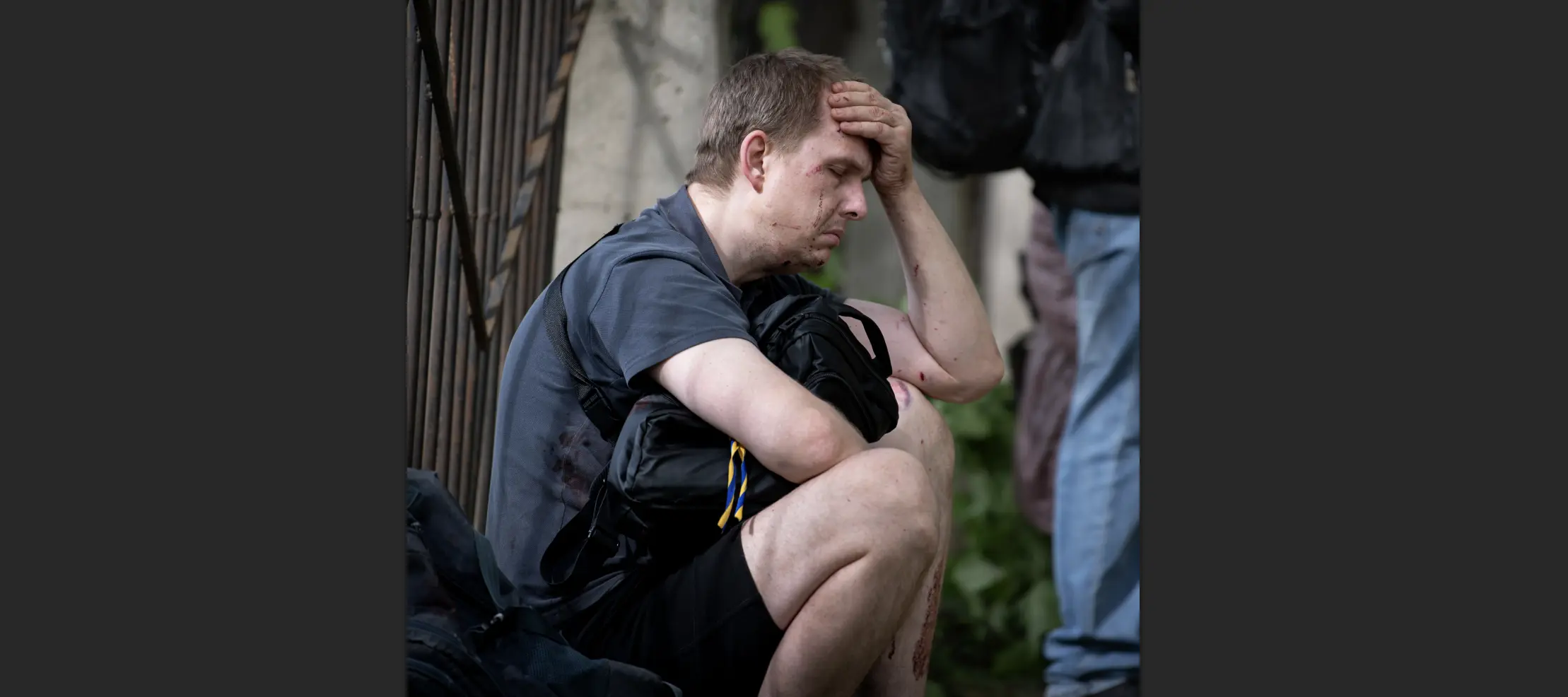
1. Between June 1 and November 30, 2025, OHCHR documented a significant escalation of hostilities across Ukraine, resulting in increased harm to civilians. The number of civilian casualties rose sharply in both frontline and urban areas, and July 2025 saw the highest casualty figures since April 2022. The vast majority of casualties occurred in territory controlled by the Government of Ukraine. The Russian Federation intensified its use of long-range missiles and drones, firing hundreds of munitions during frequent large-scale nighttime attacks.
2. In October 2025, Russian forces resumed large-scale coordinated strikes on energy infrastructure across the country, carrying out eight major waves of attacks on several regions simultaneously during the last two months of the reporting period. These strikes caused regional emergency power outages and prolonged daily rolling blackouts across the country; in some places, heat and water supplies were disrupted.
3. Conditions in frontline areas continued to deteriorate. Short-range drones, aerial bombs, and other explosive weapons killed and injured civilians and destroyed homes and critical civilian infrastructure. In some frontline cities, medical and other vital services effectively ceased to function, leading to increased population displacement. Ongoing hostilities strained services for internally displaced persons and disrupted the educational process throughout the country.
4. Between late May and August 2025, Ukraine and the Russian Federation conducted the largest exchanges of prisoners of war and civilian detainees since 2022, resulting in the release of more than three thousand people from both sides. Released Ukrainian prisoners of war reported that torture and ill-treatment, including sexual violence, and deaths in places of detention continued in 2025, particularly in facilities within the Russian Federation, despite periodic easing, notably prior to exchanges. Since mid-November 2025, OHCHR has documented an increase in reports of executions of Ukrainian servicemen captured by Russian armed forces. Interviews with released Ukrainian civilian detainees revealed problems with respect for the right to a fair trial, including the use of torture to extract confessions. Prisoners of war held by Ukraine described torture and ill-treatment at transit sites prior to their arrival at places of internment within the system established by the Ministry of Justice.
5. In the occupied territory, the occupying power continued to restrict the rights of civilians and violate fundamental norms of international humanitarian law (IHL). The Russian Federation deported dozens of Ukrainians from the occupied territory of Ukraine or from the territory of the Russian Federation itself to Georgia; however, due to the lack of valid Ukrainian documents, many were detained at the border between the Russian Federation and Georgia. The occupying authorities continued to apply legislation allowing for the seizure of allegedly abandoned housing, publishing notices regarding the potential designation of at least 4,500 homes as abandoned during this reporting period, even though people who had left the occupied territory were unable to confirm the status of their property.
6. The occupying authorities in Donetsk Oblast introduced water rationing schedules due to a severe water shortage. This shortage resulted from damage caused by hostilities in 2022, inadequate maintenance of infrastructure, and dry weather. Residents of some areas received water from their taps once every three days or even less frequently, and complained about poor water quality and insufficient pressure, which made it impossible to maintain sanitary conditions at home.
7. Summer camps and changes to the 2025–2026 curriculum intensified Russian “patriotic education” for children as young as three in the occupied territory of Ukraine, and militarized competitions were held for children under the supervision of Russian military personnel. Residents of the occupied territory continued to face restrictions on freedom of expression, freedom of religion, and the right to privacy, as well as persecution for allegedly pro-Ukrainian views.
8. In the territory controlled by the Government of Ukraine, authorities continued to hold Ukrainians accountable for collaboration for work that, under international humanitarian law, may be lawfully required by the occupying power. The right to conscientious objection to military service remained unreasonably restricted in law and in practice.
View document ➚
1. Between June 1 and November 30, 2025, OHCHR documented a significant escalation of hostilities across Ukraine, resulting in increased harm to civilians. The number of civilian casualties rose sharply in both frontline and urban areas, and July 2025 saw the highest casualty figures since April 2022. The vast majority of casualties occurred in territory controlled by the Government of Ukraine. The Russian Federation intensified its use of long-range missiles and drones, firing hundreds of munitions during frequent large-scale nighttime attacks.
2. In October 2025, Russian forces resumed large-scale coordinated strikes on energy infrastructure across the country, carrying out eight major waves of attacks on several regions simultaneously during the last two months of the reporting period. These strikes caused regional emergency power outages and prolonged daily rolling blackouts across the country; in some places, heat and water supplies were disrupted.
3. Conditions in frontline areas continued to deteriorate. Short-range drones, aerial bombs, and other explosive weapons killed and injured civilians and destroyed homes and critical civilian infrastructure. In some frontline cities, medical and other vital services effectively ceased to function, leading to increased population displacement. Ongoing hostilities strained services for internally displaced persons and disrupted the educational process throughout the country.
4. Between late May and August 2025, Ukraine and the Russian Federation conducted the largest exchanges of prisoners of war and civilian detainees since 2022, resulting in the release of more than three thousand people from both sides. Released Ukrainian prisoners of war reported that torture and ill-treatment, including sexual violence, and deaths in places of detention continued in 2025, particularly in facilities within the Russian Federation, despite periodic easing, notably prior to exchanges. Since mid-November 2025, OHCHR has documented an increase in reports of executions of Ukrainian servicemen captured by Russian armed forces. Interviews with released Ukrainian civilian detainees revealed problems with respect for the right to a fair trial, including the use of torture to extract confessions. Prisoners of war held by Ukraine described torture and ill-treatment at transit sites prior to their arrival at places of internment within the system established by the Ministry of Justice.
5. In the occupied territory, the occupying power continued to restrict the rights of civilians and violate fundamental norms of international humanitarian law (IHL). The Russian Federation deported dozens of Ukrainians from the occupied territory of Ukraine or from the territory of the Russian Federation itself to Georgia; however, due to the lack of valid Ukrainian documents, many were detained at the border between the Russian Federation and Georgia. The occupying authorities continued to apply legislation allowing for the seizure of allegedly abandoned housing, publishing notices regarding the potential designation of at least 4,500 homes as abandoned during this reporting period, even though people who had left the occupied territory were unable to confirm the status of their property.
6. The occupying authorities in Donetsk Oblast introduced water rationing schedules due to a severe water shortage. This shortage resulted from damage caused by hostilities in 2022, inadequate maintenance of infrastructure, and dry weather. Residents of some areas received water from their taps once every three days or even less frequently, and complained about poor water quality and insufficient pressure, which made it impossible to maintain sanitary conditions at home.
7. Summer camps and changes to the 2025–2026 curriculum intensified Russian “patriotic education” for children as young as three in the occupied territory of Ukraine, and militarized competitions were held for children under the supervision of Russian military personnel. Residents of the occupied territory continued to face restrictions on freedom of expression, freedom of religion, and the right to privacy, as well as persecution for allegedly pro-Ukrainian views.
8. In the territory controlled by the Government of Ukraine, authorities continued to hold Ukrainians accountable for collaboration for work that, under international humanitarian law, may be lawfully required by the occupying power. The right to conscientious objection to military service remained unreasonably restricted in law and in practice.
View document ➚
This is an automatic translation generated by DeepL.