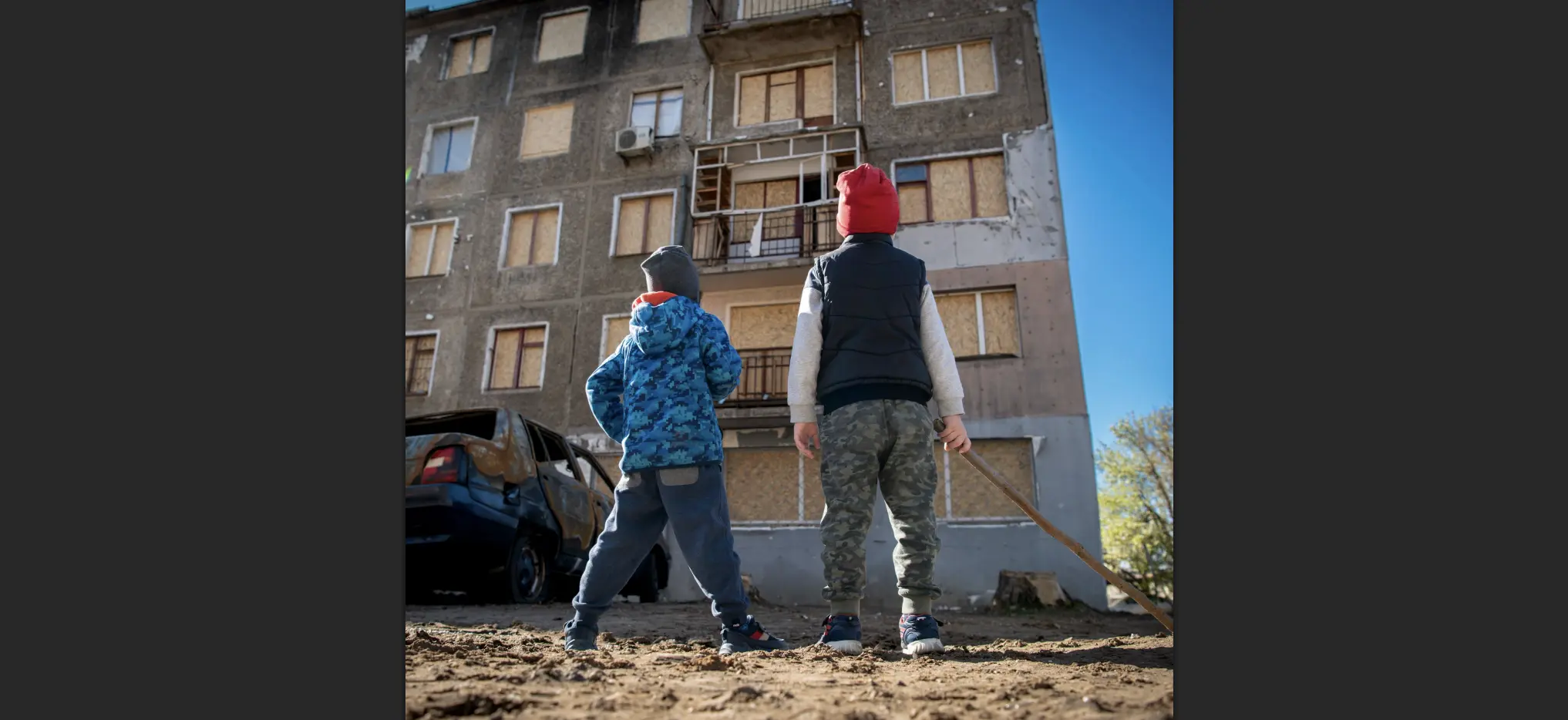
Report on the human rights situation in Ukraine, December 1, 2024 - May 31, 2025.
Source: OHCHR
1. Between December 1, 2024, and May 31, 2025, 968 civilians were killed and another 4,807 were injured as a result of conflict-related violence, representing a 37% increase compared to the same period the previous year. The vast majority of casualties occurred in territory controlled by the Government of Ukraine, where Russian armed forces conducted active offensive operations aimed at seizing new territory along the front line. The main causes of casualties were the use of explosive weapons with a wide area of effect in urban areas across the country, as well as the increased use of short-range combat drones. During the reporting period, at least five targeted strikes by Russian armed forces on hospitals were recorded, some of which were shelled multiple times.
2. There was an increase in the number of cases where unidentified individuals contacted children in Ukraine via social media and offered them monetary rewards for carrying out acts of sabotage, including arson and the planting of improvised explosive devices, targeting Ukrainian military facilities and the civilian population. Some of these children were killed while carrying out such acts; others were detained and face serious criminal charges.
3. Widespread violations of the rights of Ukrainian prisoners of war held by the Russian armed forces continued. The Office of the United Nations High Commissioner for Human Rights (OHCHR) has documented credible evidence of at least 35 executions of Ukrainian prisoners of war during the reporting period. This is consistent with the increase in the number of executions documented since late August 2024. Released Ukrainian servicemen provided detailed accounts of recent incidents of torture, ill-treatment—including sexual violence—and inhumane conditions of detention in places of detention under the control of the Russian Federation. Their testimonies confirm previous findings regarding the widespread and systematic use of torture. Released civilians who had been detained under Russian control also reported torture, ill-treatment, and appalling conditions of detention, confirming previously identified patterns.
4. Prisoners of war held by Ukraine reported instances of torture and ill-treatment during transit, prior to their arrival at official places of internment.
5. In the territory of Ukraine occupied by the Russian Federation, Russian authorities intensified pressure on local residents, forcing them to accept Russian citizenship or leave the territory. This was accompanied by the adoption of new laws and decrees that restricted access to basic services, such as pensions and medical care, for individuals without Russian citizenship or without registered permanent residence. The occupying authorities also imposed administrative fines on residents for lawful expressions of Ukrainian cultural identity or for criticizing the authorities, while simultaneously intensifying the practice of expropriating private property, primarily that belonging to internally displaced Ukrainians, which constitutes a violation of international humanitarian law (IHL).
6. In territory controlled by the Government of Ukraine, the practice of criminal prosecution of individuals accused of collaborating with the occupying authorities continued, for actions that could have been lawfully required under IHL. Additionally, men continued to be denied the right to alternative (non-military) service on grounds of conscience. Older people and persons with disabilities continued to face difficulties during evacuation from combat zones, as well as in accessing adequate and affordable housing after displacement. They remained particularly vulnerable to institutionalization.
View document ➚
1. Between December 1, 2024, and May 31, 2025, 968 civilians were killed and another 4,807 were injured as a result of conflict-related violence, representing a 37% increase compared to the same period the previous year. The vast majority of casualties occurred in territory controlled by the Government of Ukraine, where Russian armed forces conducted active offensive operations aimed at seizing new territory along the front line. The main causes of casualties were the use of explosive weapons with a wide area of effect in urban areas across the country, as well as the increased use of short-range combat drones. During the reporting period, at least five targeted strikes by Russian armed forces on hospitals were recorded, some of which were shelled multiple times.
2. There was an increase in the number of cases where unidentified individuals contacted children in Ukraine via social media and offered them monetary rewards for carrying out acts of sabotage, including arson and the planting of improvised explosive devices, targeting Ukrainian military facilities and the civilian population. Some of these children were killed while carrying out such acts; others were detained and face serious criminal charges.
3. Widespread violations of the rights of Ukrainian prisoners of war held by the Russian armed forces continued. The Office of the United Nations High Commissioner for Human Rights (OHCHR) has documented credible evidence of at least 35 executions of Ukrainian prisoners of war during the reporting period. This is consistent with the increase in the number of executions documented since late August 2024. Released Ukrainian servicemen provided detailed accounts of recent incidents of torture, ill-treatment—including sexual violence—and inhumane conditions of detention in places of detention under the control of the Russian Federation. Their testimonies confirm previous findings regarding the widespread and systematic use of torture. Released civilians who had been detained under Russian control also reported torture, ill-treatment, and appalling conditions of detention, confirming previously identified patterns.
4. Prisoners of war held by Ukraine reported instances of torture and ill-treatment during transit, prior to their arrival at official places of internment.
5. In the territory of Ukraine occupied by the Russian Federation, Russian authorities intensified pressure on local residents, forcing them to accept Russian citizenship or leave the territory. This was accompanied by the adoption of new laws and decrees that restricted access to basic services, such as pensions and medical care, for individuals without Russian citizenship or without registered permanent residence. The occupying authorities also imposed administrative fines on residents for lawful expressions of Ukrainian cultural identity or for criticizing the authorities, while simultaneously intensifying the practice of expropriating private property, primarily that belonging to internally displaced Ukrainians, which constitutes a violation of international humanitarian law (IHL).
6. In territory controlled by the Government of Ukraine, the practice of criminal prosecution of individuals accused of collaborating with the occupying authorities continued, for actions that could have been lawfully required under IHL. Additionally, men continued to be denied the right to alternative (non-military) service on grounds of conscience. Older people and persons with disabilities continued to face difficulties during evacuation from combat zones, as well as in accessing adequate and affordable housing after displacement. They remained particularly vulnerable to institutionalization.
View document ➚
This is an automatic translation generated by DeepL.