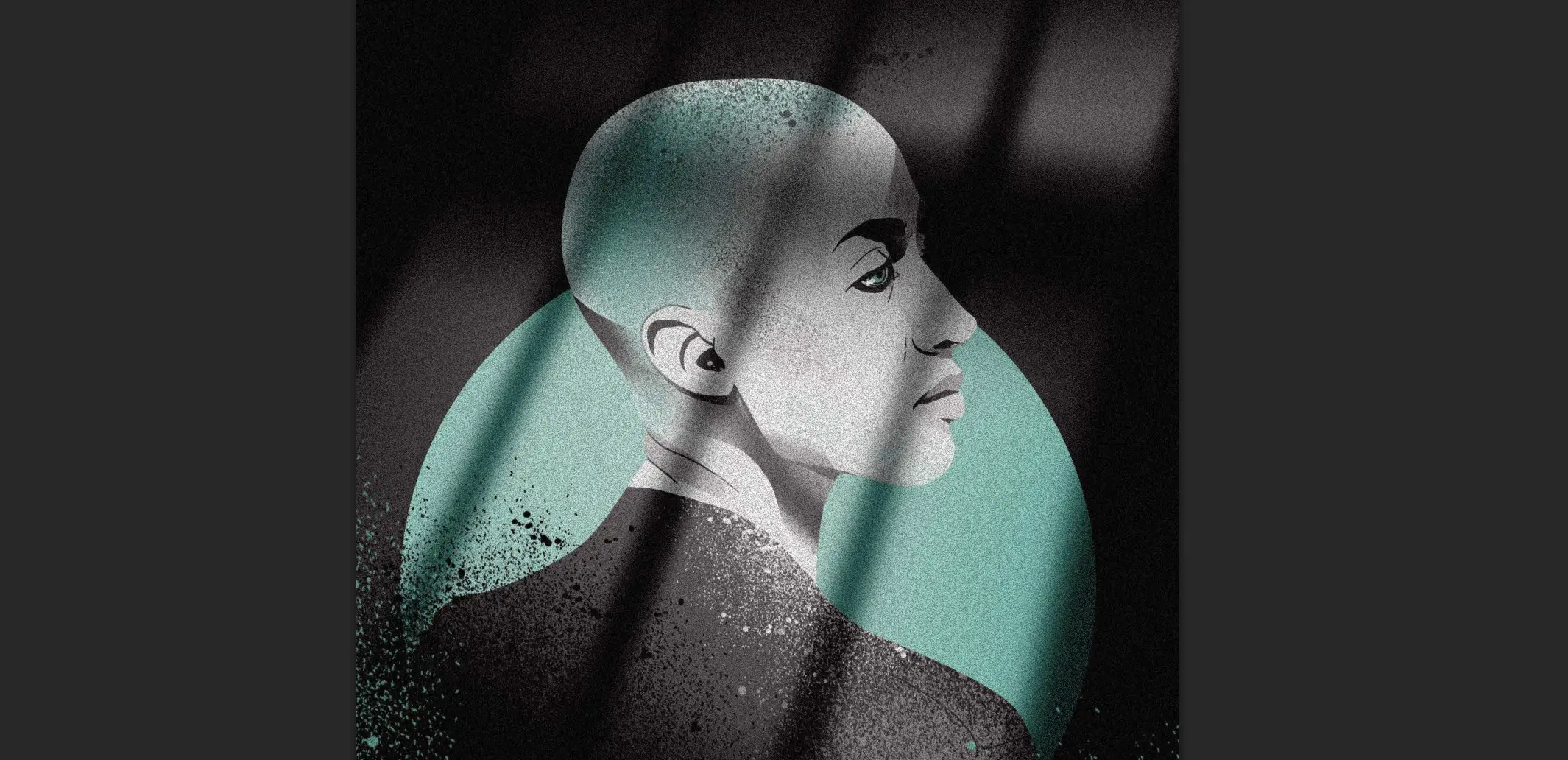
Female prisoners. Analysis of testimonies of women freed from Russian captivity
Source: MIHR
On February 24, 2022, the Russian Federation launched a full-scale invasion of Ukraine. The Russian army quickly captured a large area of the Donetsk, Luhansk, Kherson, Kharkiv, Zaporizhzhia, Kyiv, Chernihiv, and Sumy regions. Since the beginning of the invasion, there have been reports of numerous hostage-taking of civilians and the capture of military personnel. Among the detainees, there is a large proportion of women of various ages, some with significant health problems, and some pregnant. Reports of improper detention conditions and cruel treatment of women began to appear almost immediately. Some women were kept in cells with men, not provided with food, drinking water, or hygiene products, threatened with torture, and tortured. DNA samples were also taken from women without their consent.
Female prisoners are less visible than male prisoners in the information space. Among the key reasons for such conditional invisibility, two stand out:
Among prisoners, there are significantly fewer women than men. At the same time, conditions for keeping women in captivity are almost the same as those for men.
Despite the growing feminization of the Armed Forces of Ukraine (AFU), where 41,000 women serve as of December 2022 (their share is greater than the share of women in some NATO armies), the image of a warrior and hero in Ukrainian society is still primarily associated with a man.
View the document ➚
On February 24, 2022, the Russian Federation launched a full-scale invasion of Ukraine. The Russian army quickly captured a large area of the Donetsk, Luhansk, Kherson, Kharkiv, Zaporizhzhia, Kyiv, Chernihiv, and Sumy regions. Since the beginning of the invasion, there have been reports of numerous hostage-taking of civilians and the capture of military personnel. Among the detainees, there is a large proportion of women of various ages, some with significant health problems, and some pregnant. Reports of improper detention conditions and cruel treatment of women began to appear almost immediately. Some women were kept in cells with men, not provided with food, drinking water, or hygiene products, threatened with torture, and tortured. DNA samples were also taken from women without their consent.
Female prisoners are less visible than male prisoners in the information space. Among the key reasons for such conditional invisibility, two stand out:
Among prisoners, there are significantly fewer women than men. At the same time, conditions for keeping women in captivity are almost the same as those for men.
Despite the growing feminization of the Armed Forces of Ukraine (AFU), where 41,000 women serve as of December 2022 (their share is greater than the share of women in some NATO armies), the image of a warrior and hero in Ukrainian society is still primarily associated with a man.
View the document ➚